
When To Repair Your Furnace: How to Spot Problems, Troubleshoot Safely, and Know When You Need a Replacement


There’s nothing quite like stepping into a warm home on a chilly Virginia morning—until your furnace suddenly stops working. Maybe it’s blowing cool air, making strange noises, or refusing to turn on at all. Whatever the issue, a struggling furnace always seems to act up right when you need it most.
The good news? Many furnace problems can be caught early, and some can be safely checked on your own before calling for service. The bad news? Ignoring warning signs or attempting risky DIY fixes can lead to higher energy bills, more significant breakdowns, or even safety hazards, such as gas leaks and carbon monoxide exposure.
At Just Better Home Services, we help homeowners across the Shenandoah Valley, Richmond, and Central Virginia area stay warm, safe, and efficient all winter long. In this guide, we’ll explain how your furnace works, what to watch for when it’s not running right, and when it’s time to call in our trusted HVAC repair team.
In This Article:
What Your Furnace Does (and Why It Matters)
Your furnace is the heart of your home’s heating system. It draws in cool air, warms it through combustion or electric heating elements, and circulates that heated air through your ductwork to keep your home comfortable.
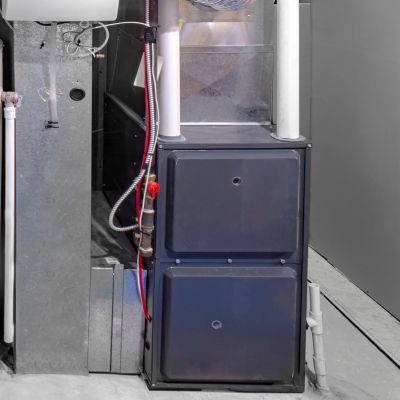
When your furnace gets old or starts to fail, several issues can develop, such as uneven heating, rising energy bills, or even safety hazards like gas leaks or carbon monoxide exposure. Older systems also lose efficiency over time, meaning they must work harder (and cost more) to maintain the same comfort level.
Understanding how your furnace works and the signs that something’s wrong can help you stay safe, save money, and know when it’s time to call for professional HVAC repair.
What You’ll Notice If Something Is Wrong With Your Furnace
1. Strange noises, smells, or pilot light issues
Clanging, squealing, or booming sounds can point to worn bearings, ignition issues, or loose components. A yellow pilot light (instead of blue) indicates incomplete combustion — a safety concern that needs prompt attention.
Unusual odors are another red flag. Burning smells could mean dust buildup or overheating components, while a sulfur-like odor may indicate a gas leak.
2. Uneven heating and higher energy bills
If some rooms stay chilly while others feel fine, your system may be struggling to distribute heat evenly. Weak airflow or blocked vents can make this worse.
A steady climb in your heating bill without a change in thermostat settings often means your furnace is losing efficiency or needs repair.
3. The impact of age and repeated repairs
A well-maintained furnace can last 15–20 years, but frequent breakdowns are a sign that wear and tear are taking a toll. If you’ve had multiple service calls in recent years, it may be time to discuss whether repair or replacement is more cost-effective.
Troubleshooting You Can Safely Do On Your Own

Before calling for service, try these simple steps to see if you can restore comfort quickly:
Check and replace the air filter: A clogged filter restricts airflow, reduces efficiency, and can cause the furnace to overheat.
Verify thermostat settings and power: Ensure the thermostat is set to “heat” and that the furnace switch and circuit breaker are on.
Inspect vents and airflow: Make sure supply and return vents aren’t blocked by furniture or rugs.
Listen and observe: Pay attention to unusual noises, short-cycling, or inconsistent heating performance.
If these quick checks don’t resolve the issue, it’s time to schedule professional furnace repair service.
When to Call a Professional for Furnace Repair
While some maintenance tasks are safe to handle on your own, certain problems require licensed HVAC technicians.
Call a professional if you notice:
Persistent furnace failure to start or maintain heat
A yellow pilot light or visible soot/rust around the burner
Strong odors, gas smells, or carbon monoxide alarm activation
Unusual noises that worsen over time
Frequent short-cycling or overheating
These issues may point to deeper mechanical or safety-related problems. Only trained professionals have the diagnostic tools and experience to fix them safely and effectively.
When It’s Best to Repair Your Furnace — and When to Replace It

Repair is often best when:
The furnace is under 10 years old and generally reliable
Repairs cost less than about half of what a new unit would cost
You plan to stay in your home short-term and just need to get through the season
Replacement makes more sense when:
The furnace is over 15 years old
Repair costs are high or recurring
You’re noticing frequent breakdowns, uneven heating, or rising utility bills
You want better energy efficiency and comfort
How We Can Help
When your furnace isn’t keeping up, Just Better Home Services is here to restore your comfort — fast. Our experienced, licensed HVAC technicians specialize in furnace repair, replacement, and full HVAC system diagnostics across Shenandoah Valley, Richmond, and Central Virginia.
We don’t just fix the symptom; we find the cause. Whether your system needs a quick tune-up or a full replacement, we’ll explain your options clearly and help you make the most cost-effective decision for your home and budget.
We’re committed to:
Honest, upfront assessments.
Expert furnace and HVAC repair for all major brands.
Fast, reliable emergency service when you need it most.
Long-term comfort, safety, and efficiency for your home.
If your furnace is struggling to keep up this winter, don’t wait for it to fail. Call Just Better Home Services today or schedule your service. We’ll make sure your home stays warm, safe, and energy-efficient all season long.


Great article with some helpful furnace maintenance and repair advice. I appreciate how the author explains common issues without making the topic overly technical. Knowing when to call for professional Furnace Repair in San Francisco can make a big difference when a heating system starts showing signs of trouble.